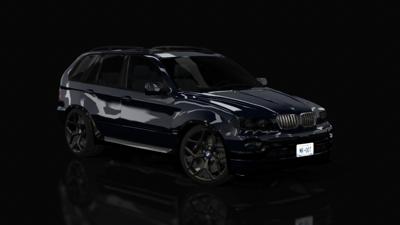
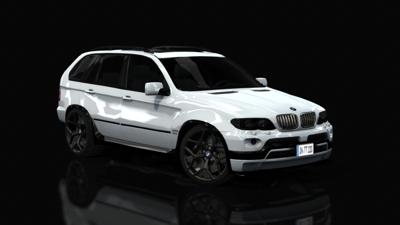
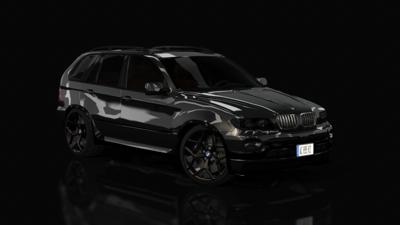
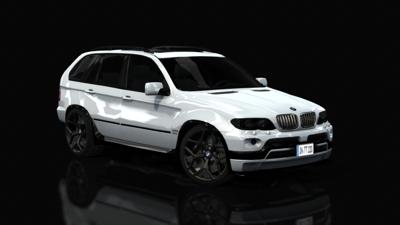
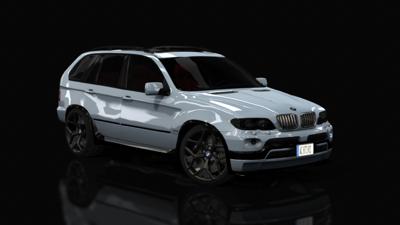
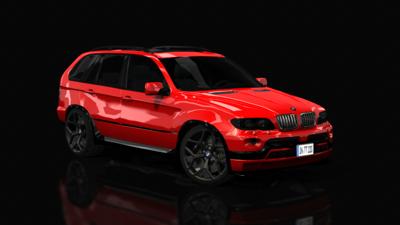
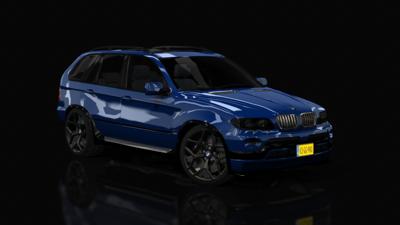
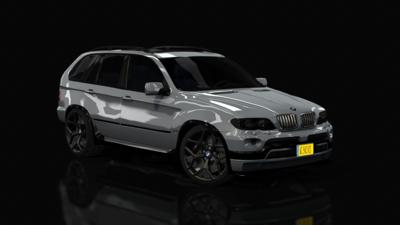
The BMW E53 is the first generation BMW X5 mid-size luxury crossover SUV. The vehicle was the first SUV ever produced by BMW. It was produced between 1999 and 2006 and was replaced by the E70 X5.
The E53 X5 was developed just after the acquisition of Land Rover by BMW. As such, the vehicle shares many components and designs with both the Range Rover L322 model (specifically the hill descent system and off-road engine management system) and the BMW E39 5 Series (specifically engines and electronic systems). The entire in-car entertainment system (radio function, navigation system, television and telecommunications systems) are shared with other BMWs and L322. As a result, the earlier X5 models can be upgraded with newer BMW technologies (e.g. Bluetooth phone connectivity).
History
The history of the X5 begins in 1994, when ideas began on a BMW sports utility vehicle after the acquisition of Land Rover. Eduard Walek was named project leader and chief engineer of the E53. Chris Chapman joined BMW Group's Designworks in California later and began working with Chris Bangle in Munich on two full-scale clay models of the E53 for two months. By 1996, design work was approved and the design basis for the E53 X5 was frozen, 35 months prior to production. Design patents were filed on 10 June 1998 and 9 December 1998, being registered in the U.S. on 18 January 2000.
The takeover of Rover in 1994 proved to be very beneficial for BMW in the development of the X5.[according to whom?] BMW engineers were able to look at and use Range Rover technology and parts in the development of the X5 - one such example would be hill-descent control.[citation needed] In many respects, the design of the X5 was influenced by its British counterpart;[citation needed] for example, the X5 got the two-piece tailgate straight from the Range Rover.[citation needed] Many parts and electronics were also taken directly from the E39 5 Series parts bin to save costs.
Extra_A_Bumper Foglights
Extra_B_Main headlights


